My husband and I met late in life and jumped right into fulltime RV cruising after the wedding, inspired by the idea of a never-ending honeymoon. We made the RV our home and lived all over North America for five years, visiting forty-nine American states, nine Canadian provinces and territories, and six Mexican states. I even wrote a book about it, Carolina: Cruising to an American Dream. Now I recall the debate that raged in my head before we plunged into our great adventure.
 |
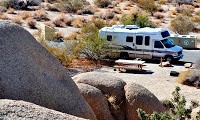
| at a campground in North Carolina |
There are pros and cons to the fulltime RV cruising lifestyle. I wrote about them in this post. Today, I update that previous post with a better perspective, with the experience of all the RVing we have done, in hindsight. It is an objective look at this particular kind of travel to help those of you who are unsure of taking the plunge.
The following
benefits are undeniable:
 |
| at the Arctic Circle in the Yukon |
Experiencing new things-to-do
Seeing new places and sights
Meeting lots of new people
Being close to nature and the outdoors
Growing with a larger, refreshing view
of life
Reducing negative stress
Because of the
first three, boredom never had the chance to set in. The ability to boondock
brought us closer to the mountains, the streams, the lakes, and the ocean. We had
to adapt more easily to the nuances in daily living, becoming more aware of
universal themes and larger concerns in the process.
 |
| at a Washington campground |
Our lifestyles were quite driven before we married and fully retired. My husband was keeping a small business alive in a flagging economy after years of navigating the corporate jungle. In turn; I was juggling teaching at three institutions of higher learning while babysitting my grandson after years of pioneering in information technology in the Philippines.
Our RV
cruising lifestyle was renewing, exhilarating and reinvigorating.
 |
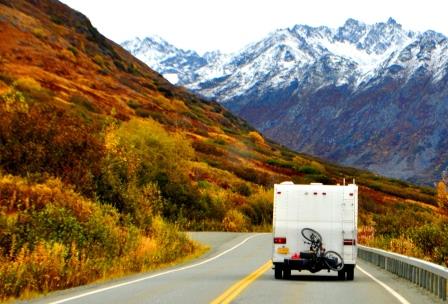
| going into the Alaska Highway |
And, though there was some stress looking for campgrounds, hooking-up and unhooking, planning itineraries, and choosing activities to do, it was the positive kind of stress; it wasn’t the kind where you earnestly pray that your situation will change or even wish you were somewhere else. It was the kind that allowed you to sleep soundly at night with this: "That was an awesome day well spent!"
But we can also
not deny the following disadvantages:
 |
| at a Monroe, Washington campground |
Many unfamiliar situations
Loss of stability
Distance from family and friends
No involvement with worthwhile causes
Loss of income
Uncertainties in healthcare
The very benefit of
having something new all the time also brought the disadvantage of instability.
It was a preponderance of unfamiliar situations, especially in the beginning
with our smaller 24-foot RV. The sad part was the increased distance with
family and friends and the inability to work for causes we used to love. Technology has definitely helped but the
thing called “propinquity” was actually lost.
 |
| at a campground in Alaska |
Since we moved to a new parish every other week, we could not participate in a regular ministry. What younger people would find most disturbing, however, is the loss of income, unless you can find portable jobs or work at campgrounds or even Amazon distribution centers. What finally made us settle down is to have better healthcare.
 |
| at a campground in Mexico |
But now we realize that all these disadvantages came about because we chose the full-time RV cruising lifestyle. We traveled in an unrelenting pace and covered the North American continent in less than five years. If you look at the benefits, they are the same whether you do it full-time or piecemeal. When you find a free week or two, escape to an RV adventure. There are ways to do this. You can buy a small camper, rent an RV or borrow a friend’s unit. At least try it and see for yourself.
 |
| parked at the side of a highway in Alaska |
PREVIOUS POST
An Eventful Road Trip through the Canadian Rockies.
FOR MOBILES, click "View Web Version at the end of the post past comments and share buttons will appear.
CLICK THIS TO PIN THE IMAGE

CLICK THIS TO PIN THIS IMAGE